
Introduction to Building a Reliable Survival Kit
Embarking on a hiking adventure is an exhilarating experience, offering a unique connection with nature and a sense of accomplishment. However, it also demands preparation, especially when it comes to ensuring your safety and well-being. A well-stocked survival kit is not just a precautionary measure; it’s an essential component of any hiking excursion. Creating a reliable survival kit involves thoughtful planning and an understanding of your specific needs and potential challenges you may face on the trail.
The core audience for this guide—enthusiastic hikers and outdoor explorers—are likely familiar with the unpredictable nature of the wilderness. Their goals might include maximizing enjoyment while minimizing risks, and their challenges often involve dealing with unexpected weather changes, injuries, or navigation issues. Therefore, your survival kit should be tailored to address these concerns, ensuring you are prepared for a variety of scenarios.
When assembling your kit, focus on including versatile, high-quality items that can serve multiple purposes. This might include items like a multi-tool, which combines several tools into one compact unit, or a durable, lightweight blanket that can provide warmth or serve as a makeshift shelter. Additionally, consider the inclusion of basic first aid supplies, a reliable map, and a compass to aid in navigation, as well as energy-boosting snacks to maintain stamina.
Building a survival kit is not just about gathering supplies; it’s about fostering a sense of confidence and preparedness. With the right items in your pack, you’re not only equipped to handle emergencies but also free to fully immerse yourself in the beauty and adventure that hiking offers.
Essential Items for Day Hikes
Embarking on a day hike is an invigorating way to immerse yourself in nature, but preparation is key to ensuring a safe and enjoyable adventure.
Navigation Tools
Begin by packing navigation tools such as a map and compass. Even if your phone’s GPS is reliable, having a physical backup is crucial, especially in remote areas where signal loss is common. A handheld GPS device can also be a valuable addition, providing precise location data and route tracking.
Hydration and Nutrition
Stay hydrated by carrying at least two liters of water in a sturdy bottle or hydration bladder. For longer hikes, consider a portable water filter or purification tablets. Complement this with high-energy snacks like trail mix, protein bars, or dried fruits to keep your energy levels up throughout the day.
Weather-Appropriate Clothing
Weather can be unpredictable, so pack layers that can be easily added or removed. A moisture-wicking base layer, insulating mid-layer, and waterproof outer layer are ideal for adapting to changing conditions. Don’t forget a sunhat and sunscreen to protect against UV rays.
Safety and First Aid
Your safety kit should include a basic first aid kit containing bandages, antiseptic wipes, and any personal medications. Adding a whistle, mirror, or signal device can be lifesaving in emergency situations.
Additional Essentials
- Multi-tool or pocket knife for various on-trail tasks
- Headlamp or flashlight with extra batteries
- Fire starter or waterproof matches for warmth and cooking needs
By thoughtfully preparing your day hike survival kit with these essentials, you not only enhance your hiking experience but also ensure your safety and comfort.
Key Components for Overnight Trips
Embarking on an overnight hiking adventure is a thrilling experience that demands meticulous preparation. A well-equipped survival kit not only ensures comfort but also enhances safety, allowing you to fully immerse yourself in nature’s splendor. Here’s a comprehensive look at the essential components every hiker should include in their overnight trip survival kit.
1. Shelter and Sleeping Gear
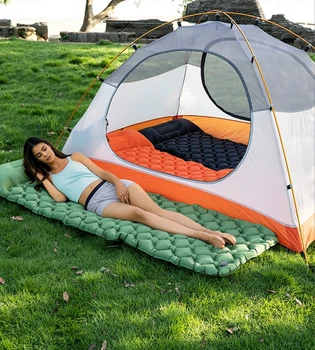
Ensuring a good night’s sleep in the wilderness requires a reliable shelter. Opt for a lightweight, weather-resistant tent, which can provide crucial protection from the elements. Accompany this with a compact sleeping bag designed for the temperatures you’ll encounter, ensuring it offers sufficient insulation. Additionally, a sleeping pad can make a significant difference in comfort by providing a barrier against the cold, hard ground.
2. Food and Water Supplies
Your survival kit should include enough food to sustain your energy levels. Consider high-calorie, non-perishable items like trail mix, energy bars, and dehydrated meals. These are not only nutritious but also easy to pack. Equally vital is water; carry a portable water filter or purification tablets to ensure you have access to clean drinking water, especially if your journey extends over multiple days.
3. Navigation and Safety Tools
Navigation tools such as a map, compass, or GPS device are indispensable to avoid losing your way. In addition, a first aid kit tailored to your specific needs cannot be overlooked; it should include bandages, antiseptic wipes, and any personal medications. Don’t forget to pack a multi-tool—a versatile instrument that can assist in various situations.
4. Clothing and Personal Hygiene
Appropriate clothing is essential for adapting to changing weather conditions. Layering is key; start with moisture-wicking base layers, add insulating mid-layers, and finish with a waterproof outer shell. Remember to pack additional socks and underwear. For hygiene, biodegradable soap and quick-dry towels can be invaluable, ensuring cleanliness without leaving a trace.
By attentively curating your survival kit, you enhance your hiking experience, making it safer and more enjoyable.
Choosing the Right Backpack for Your Survival Kit
Embarking on a hiking adventure can be an exhilarating experience, offering a chance to embrace the great outdoors while challenging your physical and mental limits. However, one of the key elements to ensure a safe and enjoyable journey is selecting the right backpack for your survival kit. This decision is not merely about aesthetics or brand loyalty; it’s about practicality, comfort, and functionality, ensuring your essentials are easily accessible and securely stored.
Consider Your Hiking Needs
To begin with, the size and capacity of the backpack should align with the length of your hike and the amount of gear you plan to carry. For a day hike, a 20-30 liter pack may suffice, while a multi-day trek might require a 50-liter or larger pack. Assess your hiking goals and challenges, such as terrain and climate, to determine the necessary equipment, and choose a backpack that can accommodate these items without excess bulk.
Prioritize Comfort and Support
Comfort is paramount when selecting a backpack. Look for features such as padded shoulder straps, adjustable hip belts, and a ventilated back panel. These elements distribute weight evenly across your body, reducing strain and allowing for a more enjoyable hiking experience. A backpack with multiple compartments can also enhance comfort by ensuring that weight is balanced and that specific items are easy to access.
Durability and Material
The durability of the backpack is another critical factor. Opt for materials like ripstop nylon or polyester, which are known for their resistance to wear and tear. Such materials ensure that your backpack withstands the rigors of rough trails and unpredictable weather, thus safeguarding your survival kit’s contents. Choosing the right backpack is not just an investment in your hiking equipment but also in your safety and comfort.
Weather Considerations for Your Kit
When preparing for a hiking adventure, one of the most critical elements to consider is the weather. Weather conditions can change rapidly, especially in mountainous or remote regions, which makes it essential to pack a survival kit that is adaptable and comprehensive. The right gear not only ensures comfort but can also be lifesaving.
Understanding the Weather Forecast
Before setting out, always check the weather forecast for your hiking area. Look for any alerts or changes in weather patterns that might affect your trip. Websites and mobile apps provide up-to-date weather conditions, and it’s wise to monitor these regularly as your hiking date approaches.
Essential Gear for Variable Weather
- Rain Gear: A waterproof jacket and pants are indispensable for unexpected downpours. Choose breathable materials to prevent overheating.
- Insulation Layers: Pack extra layers, such as fleece or thermal wear, to combat sudden temperature drops.
- Sun Protection: Even on cloudy days, UV rays can be harmful. Include sunscreen, sunglasses, and a wide-brimmed hat.
- Footwear: Opt for waterproof and sturdy hiking boots to handle wet and slippery terrains.
Adapting to Seasonal Changes
Seasonal weather variations require specific adjustments to your survival kit. In colder months, adding hand warmers and an emergency blanket can provide extra warmth. During the summer, prioritize hydration solutions and lightweight, moisture-wicking clothing. Awareness of local climate patterns in your hiking area will guide you in selecting the most appropriate gear.




0 Comments