
Introduction to Planning a Safe and Enjoyable Camping Weekend
Embarking on a camping weekend can be a thrilling adventure, offering a perfect escape from the hustle and bustle of everyday life. However, ensuring that your camping experience is not only enjoyable but also safe requires meticulous planning and preparation. Whether you’re a seasoned camper or a novice looking to experience the great outdoors, having a comprehensive checklist can make all the difference in your outdoor escapade.
First and foremost, consider the location of your camping trip. Choose a site that matches your comfort level and offers the amenities you require. Are you looking for a remote spot enveloped by nature, or do you prefer a campsite with facilities like restrooms and running water? Understanding the terrain and weather conditions of your chosen destination is crucial. This knowledge will guide you in packing the appropriate gear and clothing, ensuring you are prepared for unexpected changes in weather.
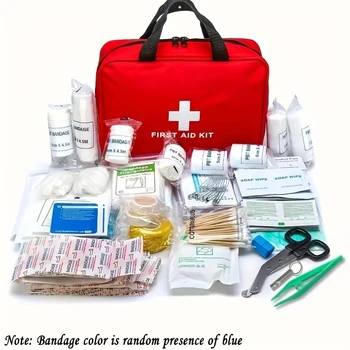
Safety is paramount, so equip yourself with a well-stocked first aid kit, a reliable map, and a compass. Additionally, ensure your mobile devices are charged and consider carrying a portable power bank. Communicate your plans and expected return time to a trusted friend or family member, providing an extra layer of security.
Finally, consider the meals and activities that will make your camping trip enjoyable. Plan out your meals in advance to avoid unnecessary stress and pack non-perishable food items that are easy to prepare. For entertainment, bring along items that enhance your connection with nature, such as binoculars for bird watching or a journal for documenting your experiences.
By planning thoughtfully and utilizing a detailed checklist, you pave the way for a camping weekend that is not only safe but filled with memorable moments in nature.
Essential Camping Gear Checklist for Beginners
Embarking on your first camping trip can be both thrilling and daunting. With nature as your backdrop, the right gear is essential to ensure you have a safe and enjoyable experience.
Shelter and Sleeping Essentials
- Tent: Choose a tent that suits your needs, offering enough space and protection against the elements.
- Sleeping Bag: A warm, comfortable sleeping bag is vital. Consider the season and location when selecting the right one.
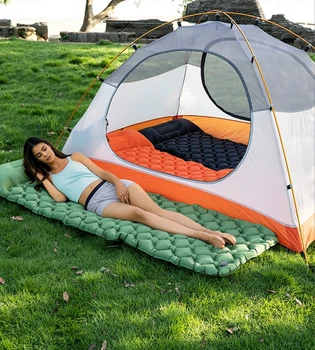
- Sleeping Pad: Provides insulation and comfort, helping you get a good night’s sleep.
Cooking and Food Supplies
- Portable Stove: A lightweight, easy-to-use stove is perfect for cooking meals.
- Cookware: Include a pot, pan, and utensils. Consider multi-functional gear to save space.
- Food: Plan meals ahead and pack non-perishable items like canned goods, nuts, and dried fruits.
- Water Bottle or Hydration System: Keeping hydrated is crucial. Ensure you have a way to purify water if necessary.
Clothing and Personal Items
- Layered Clothing: Dress in layers to adapt to changing weather conditions.
- Footwear: Sturdy hiking boots or shoes are essential for protecting your feet.
- First Aid Kit: A basic kit should include bandages, antiseptic wipes, and any personal medications.
Navigation and Safety Gear
- Map and Compass: Essential for navigation if you’re venturing off the beaten path.
- Flashlight or Headlamp: Ensure it has fresh batteries for nighttime visibility.
- Multitool: A multitool can be invaluable for repairs and emergencies.
How to Choose the Perfect Campsite Location
Choosing the ideal campsite is pivotal for a memorable camping weekend, setting the stage for both relaxation and adventure. Whether you’re a seasoned camper or a newcomer, selecting the right location can significantly enhance your outdoor experience. Here are some considerations to guide your choice.
Accessibility and Convenience
When selecting a campsite, consider its accessibility and convenience. Look for locations that are not too remote unless you’re seeking isolation. Proximity to home can be a factor if you’re planning a short trip. Additionally, check for available amenities such as restrooms, water sources, and fire rings. These conveniences can make your stay more comfortable and less stressful, especially if you’re camping with family or a group.
Scenic Beauty and Activities
The aesthetic appeal of your campsite can greatly contribute to your overall enjoyment. Opt for sites that offer picturesque views, such as lakefronts, mountain vistas, or forest glades, to immerse yourself in nature’s beauty. Furthermore, consider what activities you’d like to engage in. If hiking, fishing, or swimming are on your agenda, ensure your chosen location supports these interests.
Weather and Seasonal Considerations
Understanding the weather patterns and seasonal characteristics of your potential campsite is crucial. Research the typical weather conditions during your planned visit to avoid unpleasant surprises. Some locations might be prone to sudden storms or extreme temperatures, which could affect your camping experience.
Environmental Impact and Regulations
Being mindful of your environmental impact is essential. Choose campsites that adhere to Leave No Trace principles, ensuring minimal disruption to nature. Additionally, be aware of local regulations and obtain necessary permits if required. Respecting these guidelines helps preserve the natural beauty for future campers and aligns with responsible outdoor ethics. By considering these factors, you can select a campsite that aligns with your preferences and needs, paving the way for an unforgettable camping trip.
Food and Cooking Tips for a Camping Weekend
Embarking on a camping weekend can be an exhilarating escape from the hustle and bustle of daily life. However, ensuring you have a seamless experience requires thoughtful planning, especially when it comes to meals. With a few strategic tips, you can turn your outdoor culinary adventures into a delicious highlight of your camping trip.
Plan Your Meals
Begin by planning your meals according to the duration of your stay and the preferences of your fellow campers. Opt for simple, yet hearty dishes that are easy to prepare. Consider one-pot meals that minimize cleanup and maximize flavor, such as a savory campfire chili or a satisfying pasta dish. Make a checklist of ingredients to avoid any last-minute dashes to the store.
Prep Ahead of Time
Preparation is key to a stress-free camping cooking experience. Chop vegetables, marinate meats, and pre-measure spices before you leave home. This not only saves time but also reduces the number of items you need to pack. For breakfast, consider preparing overnight oats or pancake mix in advance.
Pack Smart
When it comes to packing, space is often limited. Utilize stackable containers and resealable bags to organize your ingredients and prevent spills. A cooler with ice packs is essential to keep perishables fresh. Don’t forget essentials like a portable stove, matches, and cooking utensils. Consider investing in a multi-tool that includes a knife, bottle opener, and more.
Embrace Versatility
Choose ingredients that can be used in multiple dishes. For instance, eggs are not only great for breakfast but can also be used in baking or as a protein for lunch or dinner. Canned beans and rice are versatile staples that can complement various meals. With these thoughtful tips, you can enhance your camping experience, ensuring that food is not just sustenance but a memorable part of your adventure.
Safety Measures and First Aid Essentials for Camping
Embarking on a camping adventure offers a thrilling escape into nature, but safety must always remain a top priority to ensure a pleasurable experience. By integrating comprehensive safety measures and first aid essentials, campers can confidently explore the great outdoors, knowing they are prepared for any eventuality.
Prepare for the Unexpected
While camping is often synonymous with relaxation and fun, it is crucial to anticipate potential risks. Start by familiarizing yourself with the area, including weather patterns and wildlife presence. This knowledge helps in planning appropriately for any environmental challenges that might arise.
Essential Safety Gear
- Proper Clothing: Dress in layers and opt for weather-appropriate gear to tackle sudden temperature shifts.
- Map and Compass: Even in a tech-dominated world, traditional navigation tools are vital backups.
- Multi-tool or Knife: Handy for a multitude of tasks, from meal prep to emergency situations.
- Fire Starter: Ensure you have reliable methods to start a fire for warmth or cooking.
First Aid Essentials
A well-stocked first aid kit is indispensable. It should include bandages, antiseptics, pain relievers, and any personal medications. Additionally, familiarize yourself with basic first aid procedures, such as treating cuts, sprains, and insect bites, to ensure you can address minor injuries promptly.
Stay Connected
Keep communication open by letting someone know your itinerary and expected return time. Consider carrying a charged mobile phone or a satellite communicator, especially in remote areas where cell service may be sparse. By equipping yourself with these safety strategies and first aid necessities, you can focus on enjoying your camping experience with peace of mind.



0 Comments