
Outdoor adventures are a great way to explore nature, enjoy fresh air, and challenge yourself. Whether you are camping in the woods, hiking a mountain trail, or fishing beside a lake, unexpected situations can happen at any time. Changing weather, minor injuries, getting lost, or running out of drinking water can quickly turn an enjoyable trip into a difficult experience. Packing the right outdoor survival gear can help you stay prepared, protect yourself, and handle emergencies with greater confidence.
1. Pack a Reliable First Aid Kit
A first aid kit is one of the most important items to bring on any outdoor adventure. Minor cuts, scrapes, blisters, and insect bites can happen while exploring nature. Choose a compact kit containing adhesive bandages, sterile gauze, medical tape, antiseptic wipes, gloves, and other basic first aid supplies.
Check your kit before every trip and replace any used or expired items. Consider adding personal medications and any supplies appropriate for your planned activities. Keep your first aid kit in an easily accessible location inside your backpack.
2. Bring a Dependable Flashlight or Lantern
Good lighting is essential when darkness falls or visibility becomes limited. A rechargeable LED flashlight can help you navigate trails, find equipment, and move around your campsite after sunset. A portable camping lantern is useful for illuminating your tent or cooking area.
Look for lighting options with reliable battery life, durable construction, and convenient charging features. Pack spare batteries or a backup light whenever possible. Even if you plan to return before dark, carrying a flashlight is a smart precaution.
3. Carry Enough Water and Purification Supplies
Access to safe drinking water is critical during outdoor activities. Bring enough water for your planned trip, taking into account the weather, physical activity, and availability of reliable refill points.
A reusable water bottle or foldable water storage bag can help you carry and organize your supply. For longer adventures, consider carrying an appropriate water filter or purification method. Remember that clear-looking water is not necessarily safe to drink, and purification methods have different limitations.
4. Prepare for Changing Weather
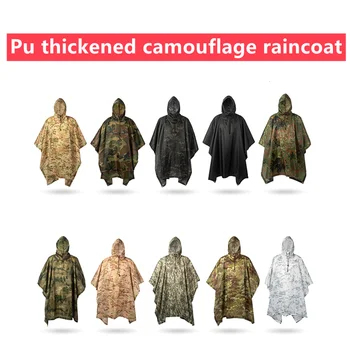
Outdoor weather can change quickly, especially in mountainous areas or during extended camping trips. Pack clothing suitable for the expected conditions, including rain protection, warm layers, and moisture-wicking clothing.
An emergency blanket can provide additional warmth in unexpected situations, although it should not replace proper cold-weather equipment. Check the forecast before leaving and adjust your packing list accordingly. Staying dry and maintaining a comfortable body temperature can make a significant difference during an emergency.
5. Carry Navigation and Emergency Communication Tools
A smartphone with offline maps can be helpful, but battery life and cellular coverage are not guaranteed outdoors. Carry a physical map and compass when appropriate, and learn how to use them before your trip.
Keep your phone charged and consider bringing a portable power bank. For remote adventures, a satellite communicator or personal locator beacon may provide an additional way to request help where cellular service is unavailable. Share your route and expected return time with someone you trust before departing.
6. Pack Food and Essential Survival Tools
Bring enough food for your planned activities, plus extra supplies in case your return is delayed. Choose lightweight, energy-rich snacks that are easy to store and eat on the trail.
A whistle, multi-tool, fire-starting equipment, and durable cord can also be useful, depending on your destination and experience. Store these items securely and learn to use them safely. Always follow local fire restrictions and never start a fire when conditions make it unsafe.
7. Organize Your Gear Before You Leave
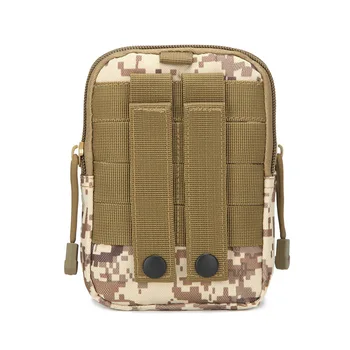
Keeping your survival supplies organized makes them easier to find when time matters. Use a backpack with separate compartments or small storage bags to group first aid supplies, lighting equipment, food, and navigation tools.
Before every adventure, check the condition of your equipment, charge rechargeable devices, inspect expiration dates, and confirm that essential items are accessible. Tailor your packing list to your destination, trip duration, weather, and group size.
Stay Prepared for Your Next Outdoor Adventure
Being prepared does not mean expecting the worst. It means giving yourself the tools and supplies needed to respond when plans change. A well-stocked first aid kit, reliable lighting, safe drinking water, weather protection, navigation tools, and emergency supplies can help make outdoor adventures safer and more enjoyable.
At Open Terrain Gear, we believe that preparation is an important part of every great outdoor experience. Explore our camping gear collection and discover practical equipment to help you get ready for your next trip.
Pack smart, stay prepared, and enjoy life outdoors!



0 Comments